
Managing Storm Water Runoff
There are all manner of things that negatively impact a waterway, and it is easy to assume that industrial pollution is the primary culprit. However, in most Ozark watersheds, the greatest threat to water quality is non-point source pollution, specifically excess sediment and nutrient runoff carried by storm water.
When natural land cover is replaced with roofs, roads, compacted pastures, or driveways, rain can no longer soak into the ground. Instead, vast volumes of water rush off surfaces at high speed, scouring ditches, tearing away vulnerable streambanks, and carrying gravel, silt, lawn chemicals, and animal waste directly into our streams.
The Critical Role of Riparian Buffers
A riparian buffer is a strip of native trees, shrubs, and deep-rooted grasses along the banks of a creek or river. Buffers act as natural shock absorbers: they slow down rushing stormwater, filter out sediment and chemicals, prevent bank collapse, and provide shade that keeps water temperatures cool for smallmouth bass and other native aquatic life.
Streambank Erosion Assessment
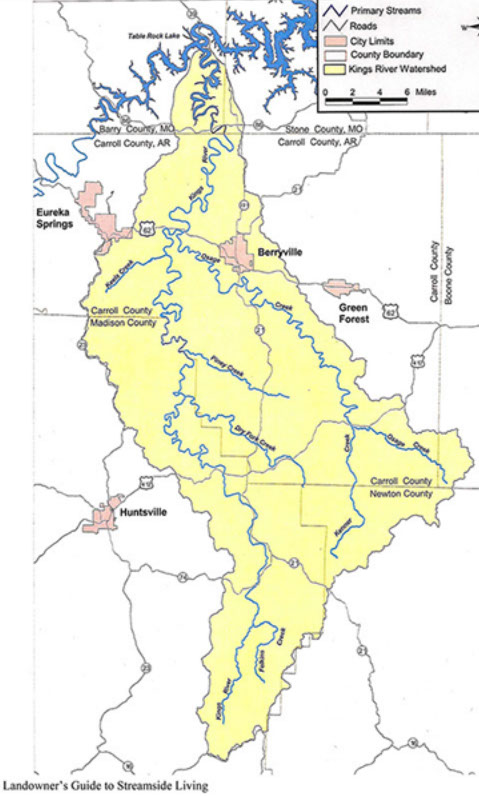
Riparian zones, root depth, and streambank stability illustration